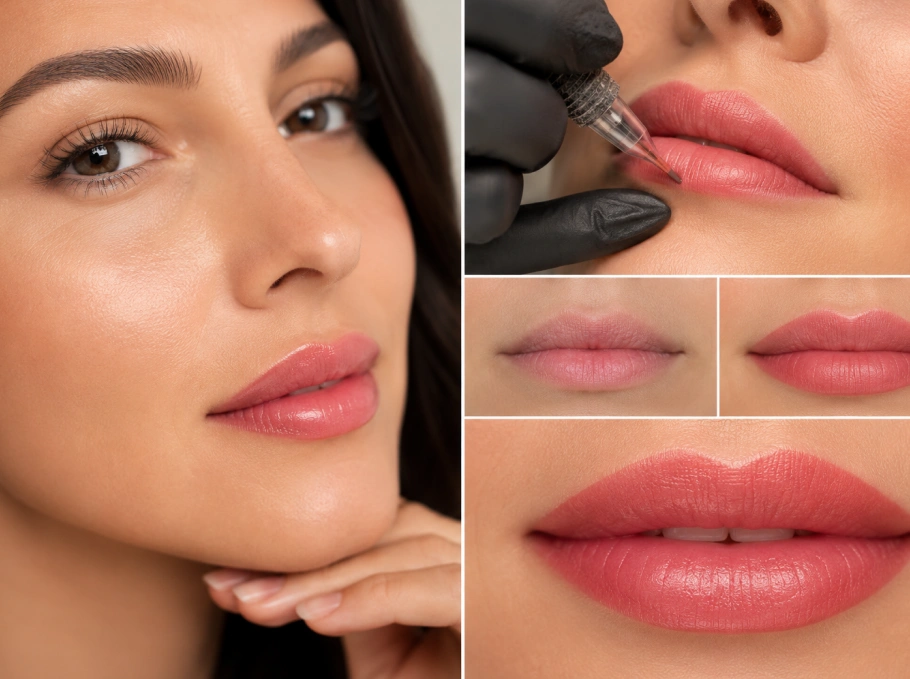
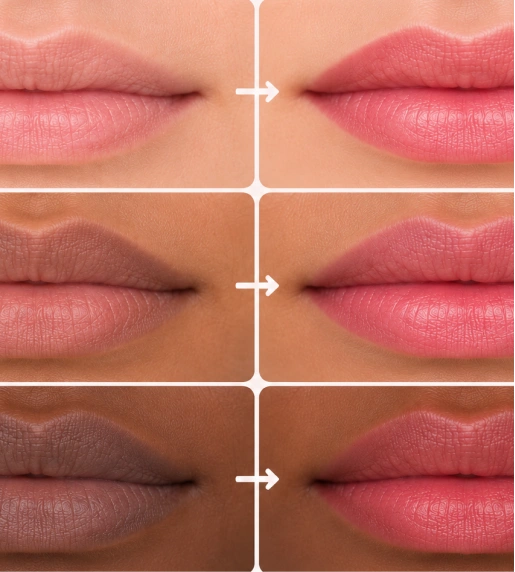
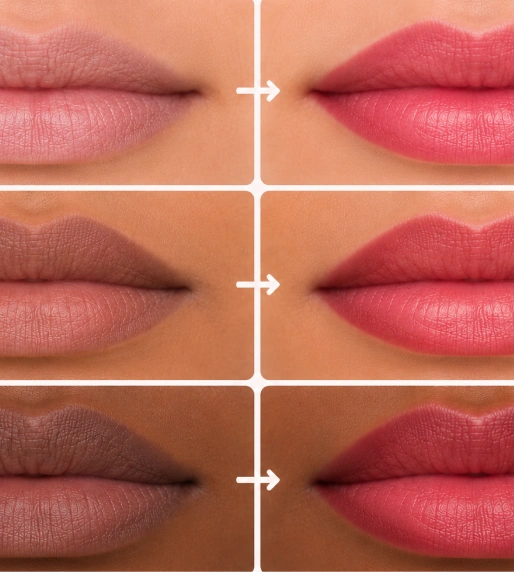
Your lip colour fades as you get older the soft, natural flush you had in your twenties quietly disappears, and the edges get a little less defined. Permanent lip colour in Valencia brings it back. Depending on how much colour you want, it can look as barely-there as your natural lip healthiest tint, or as defined as your favourite everyday shade without ever leaving the house without it.
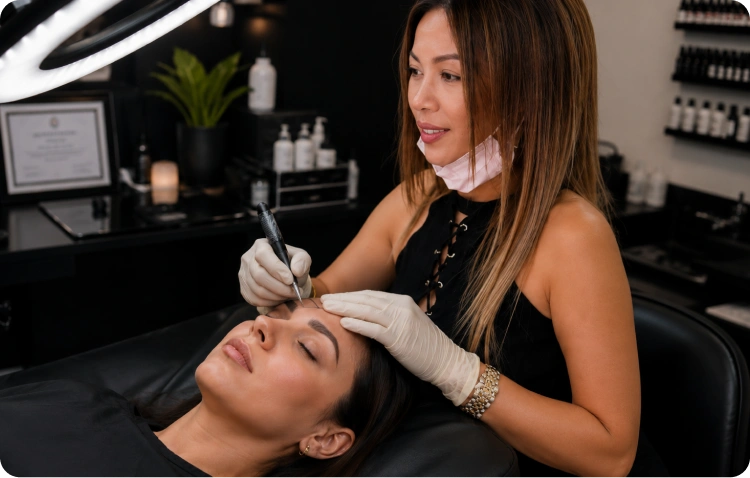
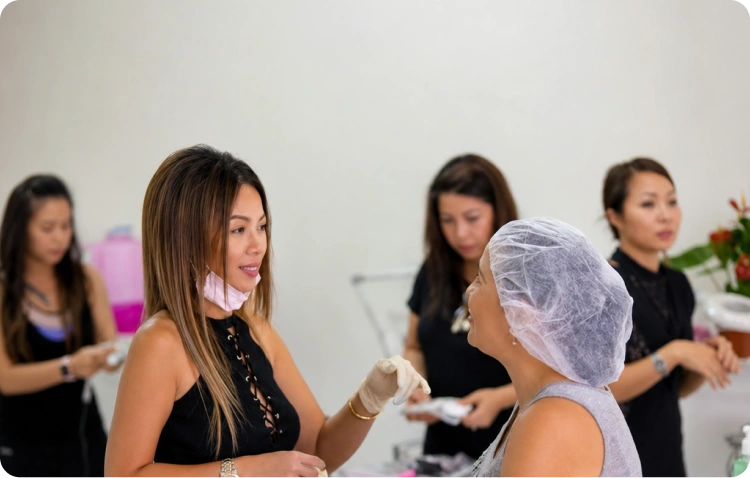
I’m Jeanny Evans, a Registered Body Art Practitioner with 10+ years of experience, and this page walks you through the three styles lip blush, ombré lips and full lip colour so you can choose which suits you before you even sit down. Whether you search for lip blush near me or lip blush in Santa Clarita, you’re in the right place.
Permanent lip color often called lip blush is a form of cosmetic tattooing that deposits soft, natural pigment into the lips to enhance their color, shape, and definition. It’s not lipstick and it’s not meant to look like lipstick; done well, it looks like your own lips, just healthier, more even, and more defined. The color you choose can be barely-there or richer, which is really what separates the three styles below.
It also does something makeup can’t: it corrects unevenness and gives definition back to a lip line that’s softened over time and it’s there when you wake up, through meals, workouts, and long days.
Lip Blush — the soft , natural tint
Lip blush is the lightest, most natural option and the most popular. It’s a soft wash of color that enhances your natural lip tone rather than covering it, giving you a healthy “your lips but better” look. Think of the flush your lips have right after you’ve bitten them, made permanent and even.
It’s the right choice if you want subtlety definition and a hint of color without looking like you’re wearing anything. Most people are surprised how much difference such a soft tint makes to how awake and put-together they look.
Ombré Lips — soft depth and dimension
Ombré lips take blush a step further with a gradient: slightly deeper color around the edges softening to a lighter center. That subtle shading creates the illusion of fuller, more dimensional lips the same trick makeup artists use with a darker liner and lighter center, but healed in and effortless.
Ombré is ideal if you want your lips to look a little fuller and more sculpted, while still keeping things soft and natural rather than bold.
Full Lip Color your finished lip, always on
Full lip color is the most saturated option an even, complete wash of color across the whole lip, close to the look of a soft lipstick you never have to reapply. It’s the choice for anyone who loves a defined, finished lip every day and wants to skip that step entirely.
It’s still customized and natural in feel we choose a shade that flatters you rather than anything harsh but it delivers the most color and definition of the three. If you’re someone who never leaves the house without lip color, this is likely your style.
Which lip style is right for you?
The simplest way to think about it: lip blush is the softest, ombré adds subtle fullness and dimension, and full color gives the most finished, defined look. There’s no wrong choice it comes down to how much color you want to wake up with. If you’re unsure, we’ll talk it through at your consultation and I’ll show you what suits your natural lip tone and coloring. Many people start softer than they think they want, because you can always deepen it later.
A note if your lips are naturally dark
If your natural lips are quite dark, cool-toned, or have a bluish or purplish cast, there’s an honest extra step worth knowing about. Tattooing soft color straight over a dark base often looks muddy, because the base shows through. In that case, we correct the underlying tone first a process called lip neutralization so the color you actually want can heal true afterward.
It’s not everyone, and I’ll tell you honestly at your consultation whether you’d benefit from it or can go straight to color.
What to expect — healing and aftercare
Lips are one of the more involved areas to heal, so it helps to know the journey ahead of time. Right after your appointment, the color looks much darker and bolder than the final result sometimes alarmingly so. Don’t panic; this is completely normal. Over the next few days the lips go through a peeling stage, and as they heal, the color softens dramatically, often by 40–50%. The true, softened color settles at around four to six weeks.
Because of that softening, lip work is almost always done in two sessions: the first to establish shape and color, and a perfecting session several weeks later to build the color to exactly where you want it once you’ve seen how your skin took it.
One important note: if you’ve ever had a cold sore, lip tattooing can trigger a flare-up. If that’s you, you’ll need a short course of antiviral medication from your doctor before your appointment I’ll explain exactly how this works so we can prevent it.
The Three Styles
Lip Blush
The lightest, most natural option your lips, but better. A soft wash of colour that enhances your natural tone rather than covering it, giving you a healthy, awake look. Most people are surprised how much difference a soft tint makes.
Ombré Lips
Ombré lips take blush a step further with a gradient: slightly deeper colour around the edges softening to a lighter centre. That subtle shading creates the illusion of fuller, more dimensional lips the same trick makeup artists use with a darker liner and lighter centre, healed in and effortless.
Full Lip Color
Full, most-saturated colour like the look of soft lipstick you never have to reapply. It’s the choice for anyone who never leaves the house without lip colour and wants to skip that step every day. Some people call it permanent lipstick; it’s the same idea, healed into the lip.
The Three Styles
Which Style Is Right for You?
Blush is softest, ombré adds subtle fullness, full color is the most finished. No wrong choice it’s how much color you want to wake up with. A small comparison graphic works well here
A Note if Your Lips Are Naturally Dark
Dark or cool-toned lips may need lip neutralization first, so color heals true rather than muddy. Honest, and not everyone.
What to Expect — Healing & Aftercare
Color looks much darker at first, then softens ~40–50% as lips peel and heal; true color at 4–6 weeks. Done in two sessions. Cold-sore note: if prone, antiviral meds are needed beforehand.
What's the difference between lip blush, ombré, and full lip color?
Lip blush is the softest a natural tint that enhances your own colour. Ombré lips add a soft gradient for the illusion of fullness. Full lip colour is the most saturated, like healed-in lipstick. All three are customised to your natural tone and the look you want.
How long does permanent lip color last?
Typically 2–3 years, fading gradually. Lips turn over faster than other areas, so a refresh keeps the colour looking its freshest; your first result also settles noticeably as it heals over about four to six weeks.
Does lip blush hurt?
Lips are one of the more sensitive areas, but a numbing agent is used throughout and most clients find it very manageable. Some swelling for a day or two afterward is normal.
Will permanent lip color look natural?
Yes, especially lip blush and ombré, which are designed to look like your own lips on a good day. You choose the intensity, from barely-there to defined, at your consultation.
Why do my lips look so dark right after the appointment?
That’s completely normal. Lip colour looks darker and bolder for the first few days and softens significantly as it heals the true, softer result shows at around four to six weeks.
Can you do lip color if I get cold sores?
Often yes, but lip tattooing can trigger a flare in people prone to cold sores, so an antiviral is usually recommended beforehand. Mention it at your consultation so we can plan for it.
Ready for Lips You Love Waking Up To?
Whether you want the softest hint of blush or a full, finished color, we’ll design a shade that flatters you and a style that fits your life. Book a relaxed consultation and I’ll help you choose no pressure, and honest advice on what will suit you best.